International society of sports nutrition
The sports nutrition major integrates coursework from exercise physiology and nutrition science disciplines. Having a dual focus allows for students to gain a better understanding of how both nutrition and exercise impact human performance, health and disease sportsandcasino.
So often I’m asked the question “how do I become a sports dietitian?” This article will walk you through the steps to take to become a sports RD, and I’ll be sharing a bit of my personal experiences along the way.
Dr. Fischer’s background in higher education includes administration of in-class and online programs, development of new programs, and collaborative programming. Her academic focus includes public health, epidemiology, leadership, and program administration. Learn more about Dr. Fischer here.
Most employers hire sports nutritionists that have proven occupational proficiency by completing an undergraduate degree in a career-related major such as nutrition, exercise science, sports nutrition, kinesiology, food science and dietetics. However, sports nutritionists that complete graduate or post-graduate education often attract a greater volume of employers and clients alike.
When you are close to completing your degree, you will begin to apply for your dietetic internship. The internship is a 1,200-hour supervised program required to become a registered dietitian. Some programs do include internships within their curriculum, but many are separate from undergraduate degrees.
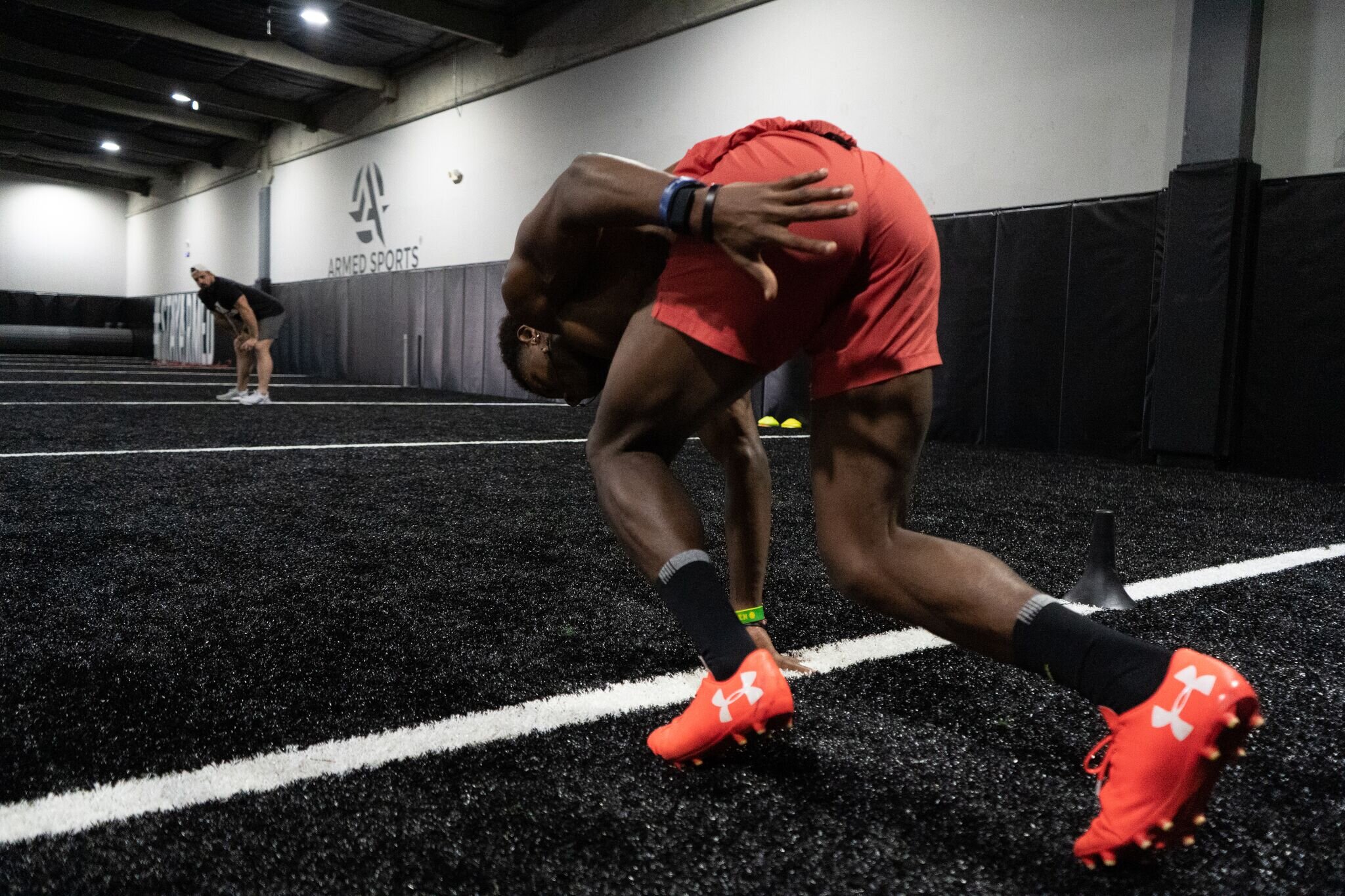
Armed sports nutrition
There are also reports that certain brands will have the Informed Sport logo on packaging for products that do not necessarily undergo testing and also the logo may be used on brand websites when only certain products in their range are tested.
Established by one of the world’s premier doping control laboratories in 2008, LGC established informed Sport as a globally acclaimed banned substance testing and certification programme for sports supplements.
There are also reports that certain brands will have the Informed Sport logo on packaging for products that do not necessarily undergo testing and also the logo may be used on brand websites when only certain products in their range are tested.
Established by one of the world’s premier doping control laboratories in 2008, LGC established informed Sport as a globally acclaimed banned substance testing and certification programme for sports supplements.
This Guide includes a variety of materials—from short summaries to detailed information—with additional resources and important tips for nutrition at home, in garrison, and during deployment. Each command has specialized missions, with the duration of deployments ranging from 30 days to 12 months. Long missions far from central support pose nutritional concerns, and good solutions are not always possible. The Guide covers strategies for optimizing nutrition for all phases of military life.
As many as one-in-ten supplements are contaminated with ingredients and compounds prohibited in sport. As a result, many athletes fail doping tests because of the supplement products they use. According to a study carried out by the Anti-Doping Knowledge Centre, product contamination was responsible for 8% of all anti-doping violations between 2105-2022.
Sports nutrition centers
10. Liu AG, Ford NA, Hu FB, Zelman KM, Mozaffarian D, Kris-Etherton PM. A healthy approach to dietary fats: understanding the science and taking action to reduce consumer confusion. Nutr J. 2017 Aug 30;16(1):53.
When hard-training athletes don’t eat enough, they may experience a condition known as Relative Energy Deficiency in Sport, or RED-S.3,5,6 Besides leading to a decline in athletic performance, RED-S can negatively affect an athlete’s:
Intense athletic training and competition can deplete micronutrient stores.9 Micronutrients—which include vitamins, minerals, and phytonutrients (healthful substances found in plants)—are involved in hundreds of metabolic processes that influence energy levels, appetite, strength, endurance, and mood. So they’re critical, for both performance and overall health.

10. Liu AG, Ford NA, Hu FB, Zelman KM, Mozaffarian D, Kris-Etherton PM. A healthy approach to dietary fats: understanding the science and taking action to reduce consumer confusion. Nutr J. 2017 Aug 30;16(1):53.
When hard-training athletes don’t eat enough, they may experience a condition known as Relative Energy Deficiency in Sport, or RED-S.3,5,6 Besides leading to a decline in athletic performance, RED-S can negatively affect an athlete’s:
Intense athletic training and competition can deplete micronutrient stores.9 Micronutrients—which include vitamins, minerals, and phytonutrients (healthful substances found in plants)—are involved in hundreds of metabolic processes that influence energy levels, appetite, strength, endurance, and mood. So they’re critical, for both performance and overall health.

Leave a Reply